
Business
Touchstone Capital Partners — Ghana Project Special Edition
Touchstone Insight · 20 Aug 2026, 08:56 UTC
News update · global · business · video
Business
PHDC and Touchstone Capital Partners have restated their commitment to Lot 1 of the Ghana Petroleum Hub in Jomoro, valued at about US$12 billion.
By Prince Agyapong · 4 Aug 2026, 09:00 UTC · 6 min read
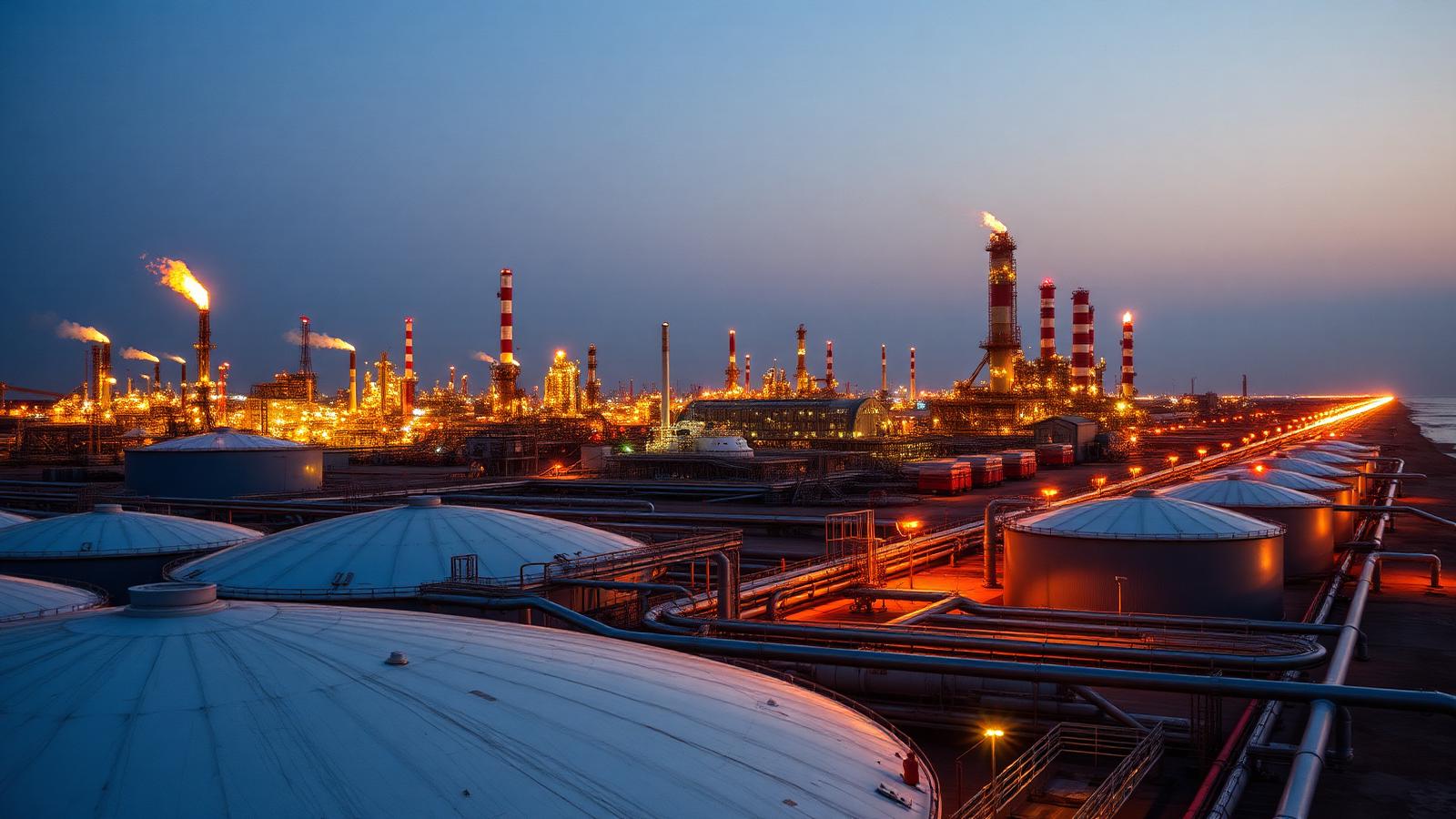
The Ghana Petroleum Hub has received a fresh statement of commitment from the Petroleum Hub Development Corporation and Touchstone Capital Partners as both sides move to advance Lot 1 of the proposed industrial complex in Jomoro.
PHDC Chief Executive Officer Dr Toni Aubynn and Touchstone Vice President Niccolò Ravano restated the scale of their ambition in an interview, and explained how the first lot is expected to be structured.
Lot 1 has previously been valued at about US$12 billion, while the draft master plan places the full programme at US$60 billion across three development phases. Those figures describe planned investment, not money already deployed.
Aubynn said the hub was “not simply a refinery project” but a broader economic transformation programme. The proposed development would bring petroleum production, processing, storage and distribution into the same industrial zone, alongside liquefied natural gas, gas-to-power facilities, petrochemicals, manufacturing and export logistics.
At full buildout, planning documents envisage three refineries, five petrochemical plants, major storage facilities, industrial parks and modern transport systems serving Ghana and neighbouring West African markets.
West Africa remains heavily dependent on imported refined petroleum products despite producing crude oil. A functioning hub could give Ghana additional refining capacity, support regional supply and create export earnings, while pulling related industries closer to energy infrastructure.
Touchstone’s task is to organise the commercial machinery behind that vision. Ravano said the firm plans to coordinate government agencies, institutional investors, engineering and construction companies, technology suppliers, operators, export credit agencies and development finance institutions through a consortium structure.
For investors, Ravano said the essentials are “transparent governance, disciplined execution and effective risk allocation” — technical, legal and financial checks, compliance with environmental and social standards, experienced contractors, long-term operating partners, insurance cover and funding drawn from several sources.
PHDC says implementation will proceed in lots. Early work covers land development, regulation, foundational infrastructure, strategic partnerships, financing and selected industrial facilities. Later lots would add refining capacity, petrochemical plants and logistics as commercial and regulatory milestones are met.
The interview did not announce a financial close or give a firm date for major construction under Lot 1. The project has also faced scrutiny before, with critics and some affected farmers raising questions about financial viability, land ownership, livelihoods and environmental consequences at the proposed 20,000-acre site.
Business
Touchstone Insight · 20 Aug 2026, 08:56 UTC
Business
Touchstone Insight · 19 Aug 2026, 06:49 UTC

Business
Abdallah Khawaldeh · 16 Aug 2026, 06:30 UTC